Introduction
In the world of health care, couple of occupations need as one-of-a-kind a mix of skills and expertise as that of a wound care specialist. As the demand for specialized treatment expands, so does the relevance of advanced training and experience in taking care of facility and chronic injuries. This article dives deep into the Essential Abilities Every Wound Care Expert Must Master, giving an insightful overview that encompasses both fundamental expertise and progressed strategies needed to master this important field.
Why is Wound Care Important?
Wound treatment is not just about recovery injuries; it's about enhancing patients' quality of life. Proper administration can prevent infections, reduce hospitalization prices, and dramatically improve healing times. Given the increasing frequency of persistent conditions such as diabetes mellitus, reliable wound treatment has actually become a critical part of contemporary healthcare.
Understanding the Role of Injury Care Specialists
What Does an Injury Treatment Specialist Do?
An injury treatment professional concentrates on assessing, diagnosing, and treating different kinds of wounds. Their function expands beyond easy wound clothing; they use evidence-based practices to manage both intense and chronic injuries successfully. This includes developing detailed treatment plans customized to individual patient needs.
Importance of Wound Care Professional Training
To come to be proficient in this specialized, specialists usually go through considerable wound treatment training for nurses or pursue committed wound care training courses These programs cover important subjects like anatomy, physiology, infection control, and advanced treatment modalities.
Essential Abilities Every Wound Treatment Specialist Ought To Master
1. Comprehensive Understanding of Composition and Physiology
Understanding human anatomy is essential for any type of medical professional. For injury treatment specialists, it's essential to realize exactly how different body systems interact throughout the healing process.
- Skin Structure: Experience with skin layers (epidermis, dermis) assists analyze wound depth. Healing Phases: Recognizing inflammation, spreading, and growth phases guides therapy decisions.
2. Expertise in Chronic Wound Treatment Management
Chronic injuries present special obstacles that call for specific understanding:
- Types of Persistent Wounds: Diabetic abscess, venous ulcers, stress injuries-- each needs different approaches. Assessment Techniques: Knowing just how to measure wound dimension and assess exudate levels is vital.
3. Advanced Treatment Modalities
Wound treatment isn't one-size-fits-all; specialists should grasp various treatment alternatives:
- Debridement Techniques: Comprehending sharp debridement vs. enzymatic debridement can affect healing outcomes. Dressings: Familiarity with hydrocolloid dressings versus alginate dressings aids in picking ideal products.
4. Patient Assessment Skills
Accurate evaluation is essential to effective treatment:
- Visual Assessment: Being able to determine indications of infection or necrosis quickly. Patient History: Collecting thorough medical history assists customize injury management strategies.
5. Infection Control Practices
Infection prevention is critical in wound management:
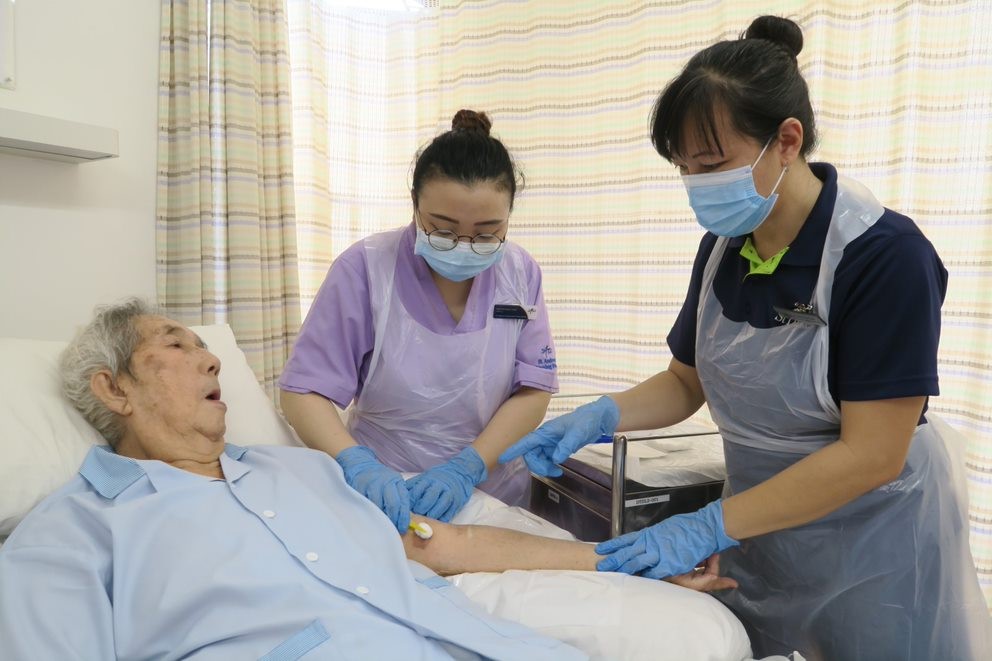
- Sterile Techniques: Utilizing appropriate hand health and clean and sterile dressing modifications minimize infection risks. Recognizing Infection Symptoms: Knowing when an injury has actually come to be infected ensures timely interventions.
Wound Treatment Training for Nurses
Importance of Specialized Education
Nurses play an essential role in client care groups. Specialized education through programs like basic wound care training outfits them with functional skills needed for effective individual management.
Curriculum Overview
Typical training courses may include:
- Basic concepts of wound healing Different types of dressings Infection control protocols Pain monitoring strategies
Wound Treatment Nurse Training Programs
Certification Choices Available
Several certifications are recognized within the field:
|Qualification Call|Organization|Period|| -------------------------------------|---------------------------|---------------------|| Certified Wound Treatment Nurse (CWCN)|WOCN Culture|Varies|| Licensed Wound Expert (CWS)|American Academy of Wound Monitoring|Differs|
These qualifications verify expertise and enhance specialist credibility.
Complex Wound Care Management Skills
Defining Complex Wounds
Complex injuries commonly entail numerous variables such as comorbidities or considerable tissue loss requiring innovative interventions.
Advanced Techniques for Management
Negative Pressure Injury Therapy (NPWT):- Accelerates healing by using suction to the wound site.
- Utilize human cells or engineered skin replacement for ideal recovery environments.
Legal Facets in Injury Care Management
Understanding Scope of Practice
Wound care professionals must remain informed regarding lawful guidelines regulating their practices:
- Documentation: Precise document maintaining safeguards against liability. Informed Consent: Constantly ensure individuals recognize procedures before proceeding.
FAQs Concerning Essential Skills Every Wound Treatment Expert Need To Master
What qualifications do I require to become a wound care specialist?
Most positions need at the very least a registered nurse certificate combined with specialized training in wound care management via acknowledged programs or certifications.
How long does it take to finish wound care training courses?

Course durations differ commonly; some may be completed in a couple of weeks while others could take several months depending on the depth of material covered.
What are some common sorts of dressings utilized in injury management?
Common dressings include hydrocolloid dressings, foam dressings, alginate dressings, and transparent films-- each offering certain functions based on the kind and problem of the wound.
Can I concentrate on injury care while still functioning full-time?
Yes! Several curricula use online or part-time choices ideal for working professionals looking for advancement in their professions without sacrificing their existing roles.
What function does nutrition play in persistent injury management?
Nutrition substantially affects recovery; adequate protein intake sustains tissue fixing while hydration advertises flow-- crucial variables for efficient chronic injury management!
Are there specific tools I should know with as an injury care specialist?

Yes! Secret tools include gauging gadgets for examining wounds (like digital planimeters), debridement tools (scissors or scalpels), and numerous sorts of dressing products matched to various wounds.
Conclusion
Embarking on an occupation as a wound care professional offers many opportunities to make a profound impact on individuals' lives by advertising faster recuperation times via ingenious solutions tailored to specific requirements. By mastering these necessary skills outlined above-- from detailed assessments and innovative therapy techniques to understanding legal ramifications-- professionals can position themselves as relied on authorities within this important medical care niche.
The trip toward ending up being an expert in this area calls for dedication with continuous education and learning like specialized registered nurse training programs concentrated specifically on intricate chronic problems along with wound care management constant practice renovation initiatives targeted at boosting overall person results over time! So if you're thinking about taking your clinical profession up a notch by accepting one-of-the-most rewarding specializeds today ... dive right into those crucial skills every new & & experienced specialist should master!